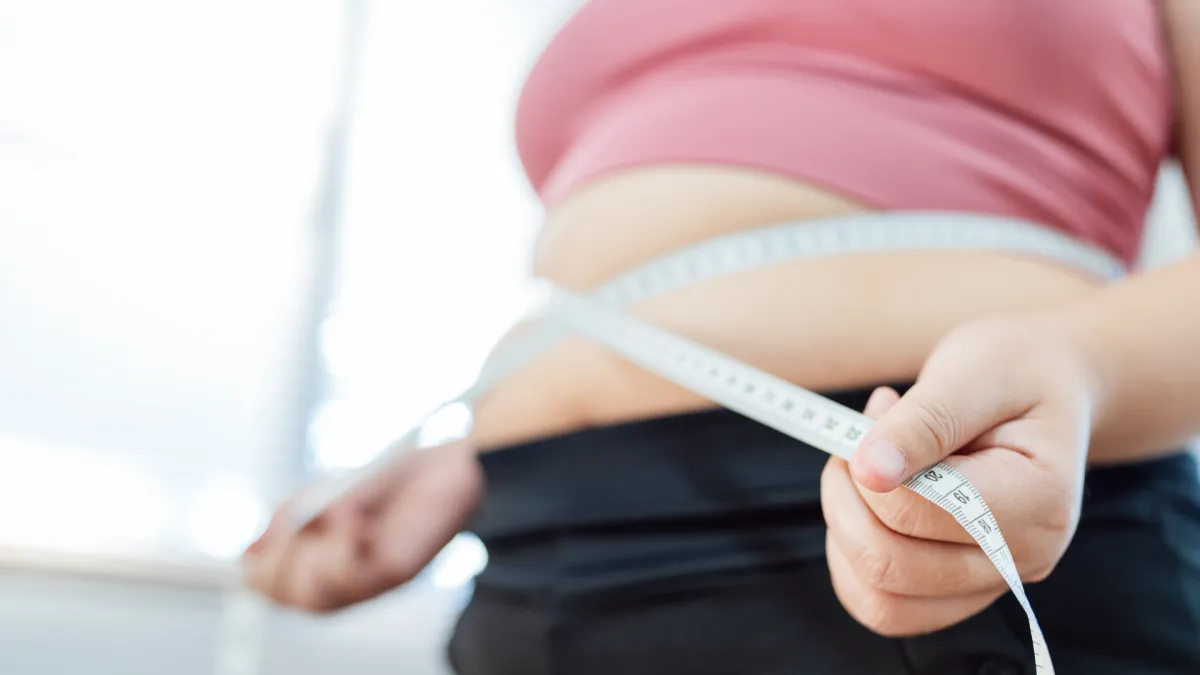
I’ve Tried Everything: A More Honest Conversation About Menopause and Belly Fat
“I’ve tried everything.”
I hear some version of that from women all the time.
They’ve changed their diet. Started exercising. Bought the supplements. Tried intermittent fasting. Increased their workouts. Maybe they’ve even tried HRT or a GLP-1 medication. And yet they’re still looking at their belly and wondering why nothing seems to work.
Underneath that frustration is usually a harder question:
“Why does this seem to work for everyone else, but not for me?”
If that’s where you are, I want to offer you a different way of looking at what’s happening.
Because I don’t believe your belly is the problem you need to solve.
I believe your belly may be giving you information.
Why Menopause Can Change Belly Fat and Body Composition
Your body changes during and after menopause. Muscle mass can decline. Body composition can shift. Fat distribution can change, including an increase in fat stored around the abdomen.
That means the strategies that worked when you were younger may not produce the same response now.
And that doesn’t mean you’re doomed to have belly fat after menopause.
It means you need to stop judging your current body by the rules that worked for your younger body.
This is where I see women get stuck.
They notice their waistline changing, so they respond by eating less and exercising more. When that doesn’t give them the result they want, they assume they need to try harder.
Then comes another diet. Another workout. Another supplement. Another Monday morning promise that this time will be different.
But what if the better question isn’t, “What else can I try?”
What if the better question is, “What is my body telling me?”
Is It Menopause Belly Fat or Bloating?
Before you decide that every change around your middle is body fat, there’s something else to pay attention to: belly fat versus bloating.
Have you ever noticed that you wake up, use the bathroom, drink some water, and your stomach feels relatively comfortable? Then as the day goes on, your belly feels more expanded and uncomfortable?
That isn’t necessarily a fat-loss problem.
Bloating can have many causes, including food choices, eating patterns, digestive issues, stress, and other factors. If it’s occasional and mild, start paying attention to your own patterns.
What did you eat? How quickly did you eat? How were you feeling that day? Did anything seem different?
And if bloating is persistent, severe, painful, or concerning to you, talk with your healthcare professional rather than assuming you simply need to change your diet.
This is a perfect example of why I coach women to get curious about their bodies instead of just trying to “fix” them.
What Actually Helps Reduce Belly Fat After Menopause?
If there isn’t one magic supplement, workout, or diet, then what actually helps?
It starts with looking at the whole picture instead of obsessing over one part of it.
When I coach a woman, I want to understand what’s happening in her everyday life.
How is she eating? Is she getting enough protein? Is she building muscle? Is she strength training? How much does she move outside of her workouts? What is her sleep like? What level of stress is she carrying? Is she recovering from exercise, or is she constantly pushing herself harder?
And then there’s the piece that often gets left out:
How does she relate to herself?
If every interaction with your body is criticism, punishment, restriction, and disappointment, it becomes very difficult to build a sustainable relationship with your health.
You don’t have to stand in front of the mirror every morning and convince yourself that you love every inch of your body.
But I am asking you to stop treating your body like the enemy.
One of the things I tell my clients is, “You can’t heal a body you don’t love.”
What I mean by that is not that you have to love your appearance before you can make a change. It’s that caring for your body starts to look very different when you’re no longer at war with it.
You become curious instead of critical. You notice patterns instead of looking for something to blame. You make choices because you want to support yourself rather than because you’re angry at yourself.
That is a very different starting point.
Can Too Much Exercise Make Menopause Belly Fat Worse?
This is another conversation I wish more women were having.
When your body changes, it’s natural to think, “I need to work harder.”
So you add more cardio. You make your workouts longer. You push through when you’re exhausted. You cut your food back even further because you’re convinced that if you just create enough of a deficit, your body will finally cooperate.
But more isn’t automatically better.
Your body needs an appropriate stimulus, nourishment to support that stimulus, and recovery.
Strength training matters as we age because maintaining and building muscle supports strength and function. But your body also needs time to recover.
And if you’re constantly operating from a place of stress and exhaustion, that’s information too.
I’m not saying stress is the magical cause of belly fat.
I’m saying your health is more complicated than one hormone or one workout, and that’s why I don’t want you looking for one culprit.
The Real Goal Isn’t Getting Your 35-Year-Old Body Back
I know the temptation.
You remember what your body used to look like, and you want it back. You want your old waistline, your old energy, your old metabolism, your old clothes to fit the way they used to.
But what if the goal isn’t to get your 35-year-old body back?
What if the goal is to build a strong, capable, healthy body for the woman you are now?
That woman may still want to lose belly fat. There’s nothing wrong with that goal.
But she also wants to feel strong when she gets out of a chair. She wants energy to do the things she loves. She wants to move without feeling stiff and uncomfortable. She wants to understand what her body needs instead of constantly second-guessing it.
She wants to trust herself again.
That’s the woman I’m interested in coaching.
Join the 28-Day Belly Reset
If you’ve been saying, “I’ve tried everything,” I don’t want to hand you another list of things to try.
I want to offer you a better starting point.
The 28-Day Belly Reset is designed to help you step back, understand what’s happening, and start making choices that support the body you have now.
It’s not about being “good.”
It’s not about punishment.
It’s a reset — a chance to pay attention, get curious, and stop guessing.
If you’re ready to approach your body differently, join the 28-Day Belly Reset by September 7th to save with early bird pricing.
Because your body isn’t broken.
It may just be asking you to listen differently.
And that’s a much more powerful place to begin.
About Maria
Maria helps women 50+ lose weight, build muscle, improve energy and sleep, and reduce aches and pains so they can live active, healthy lives long term. Her work focuses on building muscle safely and keeping blood sugar steady.
